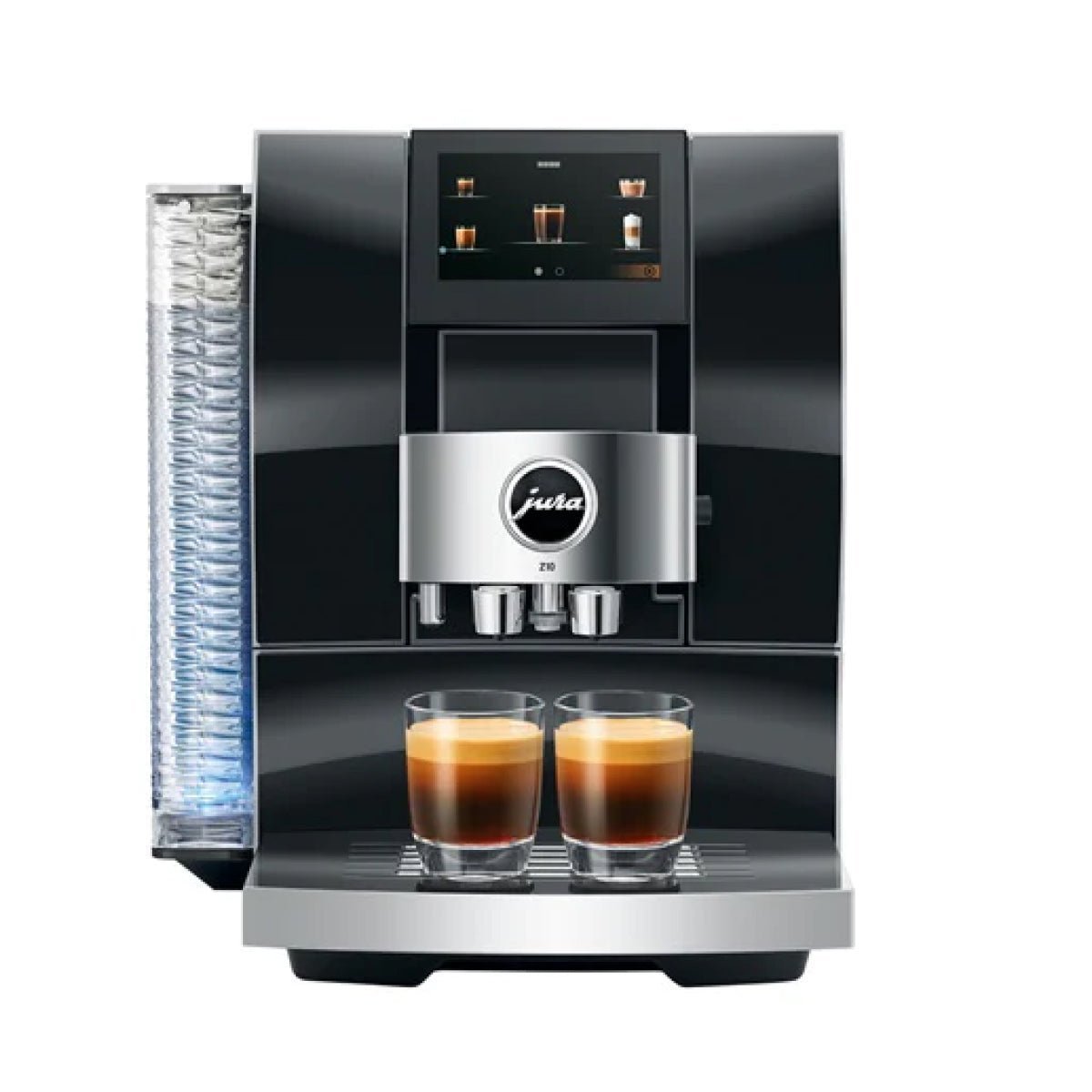
Bean-to-cup (super-automatic) machines grind, dose, brew, and often texture milk at the push of a button. Manual or traditional espresso bars rely on a skilled barista, a separate grinder, and a semi-automatic or volumetric machine. Neither is universally “better” — they optimize for different labor and menu goals.
Where bean-to-cup shines
Offices, hotels, and self-serve or low-skill environments benefit from consistent drinks with minimal training. Super-automatics reduce labor cost per cup and simplify rush periods when you cannot staff a full barista. Browse bean to cup & automatic coffee machines if that is your primary need.
Where traditional espresso wins
Specialty cafés that compete on extraction quality, alternative milk craft, and latte art usually prefer traditional machines plus dedicated grinders. You gain control over dose, distribution, and milk texture — at the cost of training time and labor. See espresso machines and commercial espresso machines.
Hybrid realities
Some sites run both: a traditional bar for specialty service and a bean-to-cup for staff drinks or overflow. Others start automatic and add a manual bar later. Plan utilities and counter space for the end state, not only opening day.
Cost and maintenance
Super-automatics need regular milk-system cleaning and periodic professional service; traditional bars need backflushing, grinder care, and barista labor. Compare total cost of ownership against expected volume. Listed prices are references — inquire to confirm.
Decide with a quote
Share your daily cups, staff skill level, and menu when you request a quote. We help you shortlist from the catalog without pressure to fake a “dealer package.”
Guest expectations
Guests who choose a specialty café often expect barista craft and visible espresso workflow. Guests in a hotel lobby may prefer speed and simplicity. Match the equipment story to the brand promise on your storefront — mixed signals create disappointment even when the coffee is fine.
Cleaning discipline
Automatic milk systems punish skipped cleaning with off flavors and downtime. Traditional wands punish skipped wiping the same way. Whichever path you choose, write cleaning into opening and closing checklists before the first guest arrives.
Menu lock-in
Some super-automatics excel at a fixed drink list and struggle when you want constantly changing specialty drinks. Traditional bars flex more easily with seasonal menus. Be honest about how often your menu will change before you choose.
Still unsure? Describe your venue type and daily cups in a quote request or on contact — we will point you to automatic vs traditional catalog options that fit, without pretending one path fits every business.