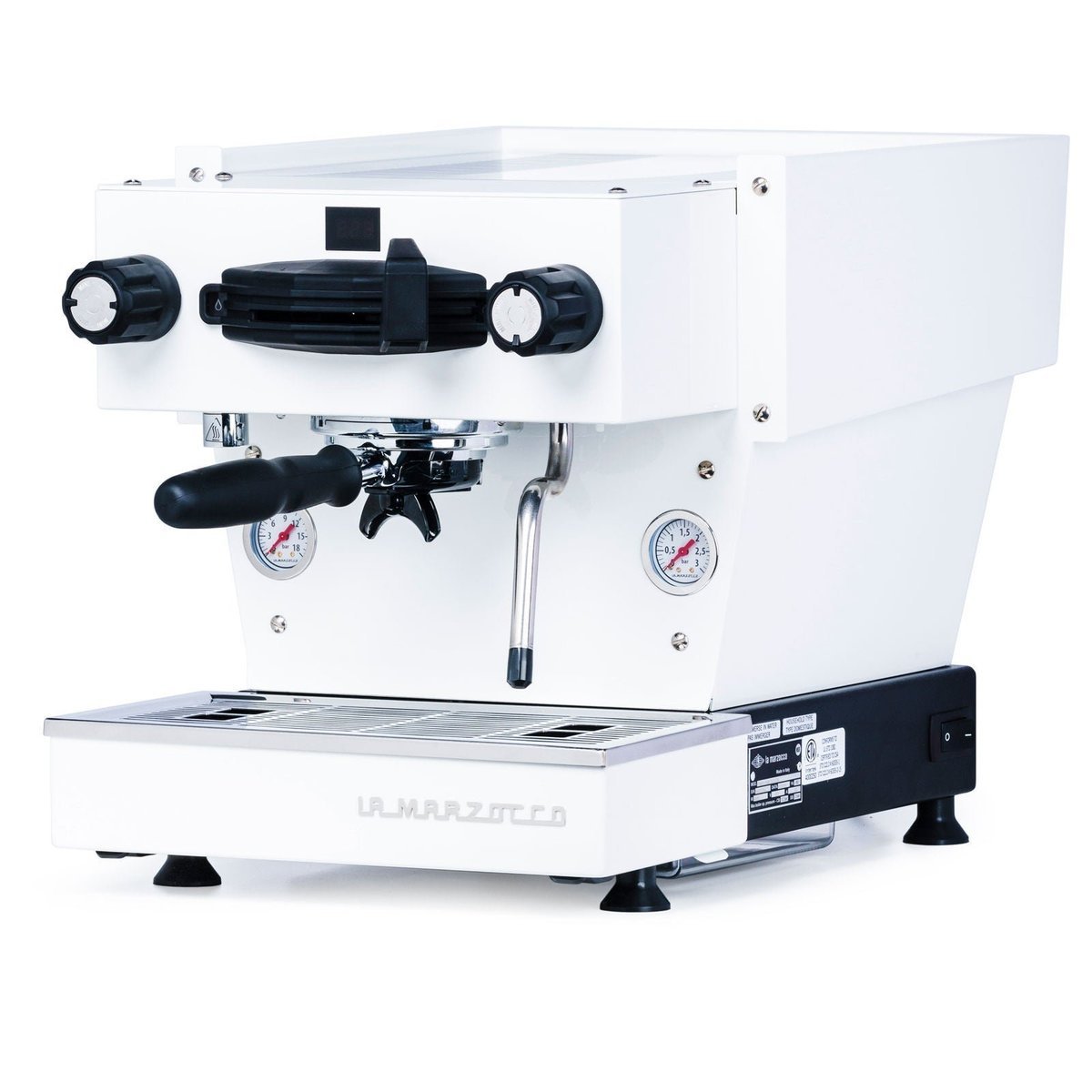
Home (prosumer) and commercial espresso machines can look similar on a showroom floor, but they are built for different duty cycles. Choosing the wrong class usually shows up as long recovery times, overheating, or premature wear — not on day one, but after a few busy weeks.
Duty cycle and recovery
Home and prosumer machines excel at sequential drinks for a household or light office use. Commercial multi-group machines are designed for repeated back-to-back shots and continuous steam demand. If you regularly serve queues, catering, or overlapping milk drinks, commercial thermal mass and steam capacity matter more than chrome finish.
Groups, boilers, and footprint
Most home machines are single-group. Commercial café machines commonly ship as 2- or 3-group with larger boilers, stronger pumps, and plumbed water. They also need more counter depth, higher power circuits, and a drain plan. Measure before you fall in love with a photo.
When a prosumer machine is enough
Serious home baristas, tasting labs, and very low-volume specialty bars sometimes run high-end prosumer dual-boiler machines successfully. The trade-off is throughput: one group, smaller steam boiler, and longer waits when several drinks stack. Browse espresso machines for prosumer and light-duty options.
When to choose commercial
Choose commercial when peak volume needs parallel groups, when multiple baristas share the bar, or when you expect six-plus busy hours of continuous espresso service. Start with commercial espresso machines, then pair grinders and filtration in the same inquiry.
Cost of ownership
Commercial machines cost more up front and may need professional installation, but they are built for serviceability and parts availability under café use. Factor water treatment, cleaning chemicals, and scheduled maintenance into either path. Listed prices on our catalog are reference figures — confirm via inquire/quote.
Next step
Shortlist two or three models in the class that matches your volume, then request a quote with your estimated drinks per day and available power. We help cafés and home buyers compare options without inventing dealer or warranty claims beyond what each product page already states.
Noise, heat, and neighbors
Commercial machines dump more heat and pump noise into a room. In a tiny apartment or shared office, that can matter as much as shot quality. Prosumer machines are often quieter and easier to move. In a storefront, HVAC and ventilation should account for bar heat loads — ask your contractor, not only your equipment supplier.
Resale and upgrade paths
Some owners start prosumer and upgrade when volume grows. That can work if you accept selling the first machine later. If your business plan shows café-level volume within months, buying commercial once usually wastes less time and money than a double move.
Shared decision framework
Ask: How many drinks in our busiest hour? How many people on bar? Is the space plumbed? What power is available? If answers point to sustained parallel service, shortlist commercial. If answers point to sequential home or office use, shortlist espresso/prosumer. Then compare two models in that class on our shop and inquire — avoid mixing incompatible assumptions in one quote.