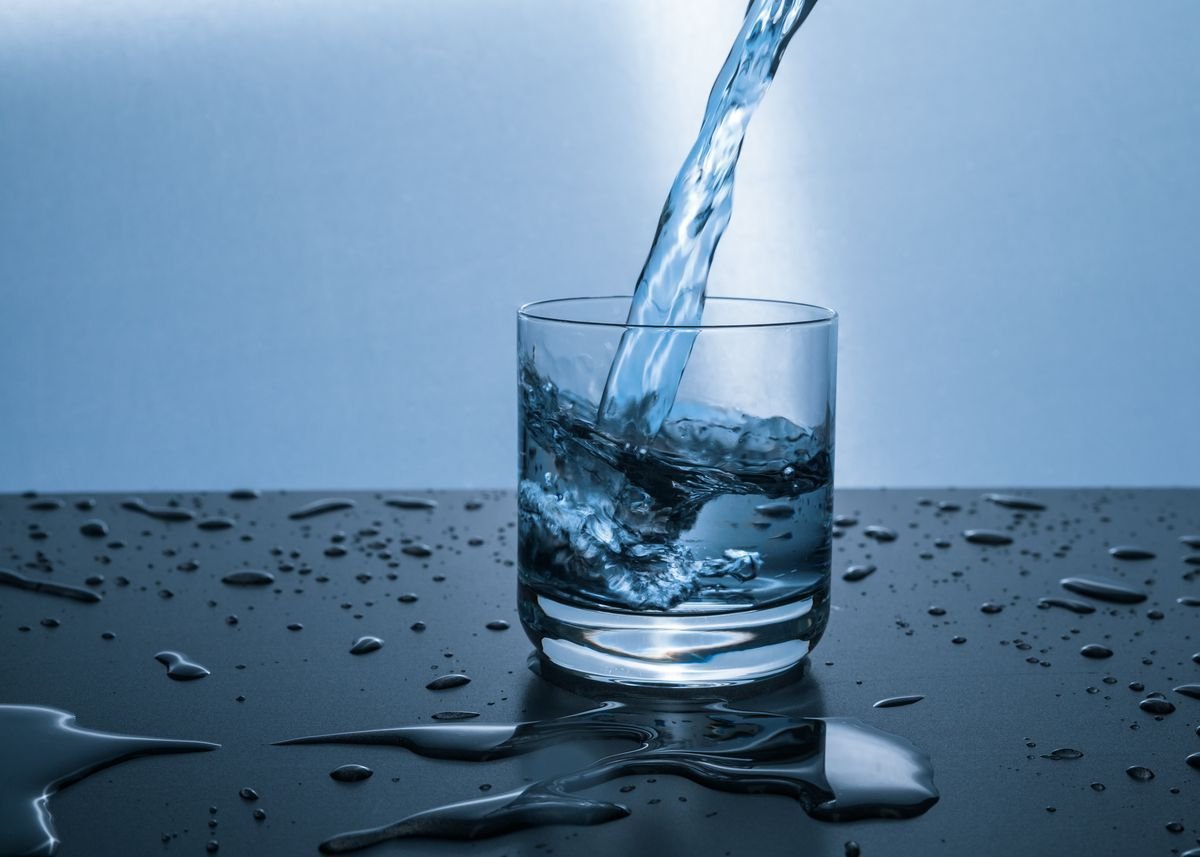
Water is most of every espresso. It also drives scale, corrosion, and taste defects. Treating water is one of the highest-ROI decisions in a café build — cheaper than replacing a boiler and more consistent than chasing recipes on bad water.
What goes wrong without treatment
Hard water deposits scale on heating elements and in boilers, reducing temperature stability and eventually causing failures. Soft or aggressive water can corrode brass and copper. Chlorine and off-tastes show up clearly in light roasts. The right filtration or conditioning approach depends on a water test — not a one-size claim.
Common café approaches
Many espresso bars use cartridge systems (for example, mineral-balanced filters) on a dedicated cold line to the machine. Some sites combine sediment prefilters with carbon and softening or remineralization stages. Bypass settings let you tune hardness for espresso while protecting equipment. Always follow the machine maker’s water guidelines when available.
Sizing and placement
Size cartridges to your expected gallonage and change them on schedule — an exhausted filter is not filtration. Place heads where staff can swap cartridges without moving the machine. Leave service loops in the tubing. If you are building new millwork, photograph shutoffs and label the espresso line.
Taste vs equipment protection
Ideal brewing water targets a balance of hardness and alkalinity for extraction sweetness and clarity. Equipment protection may push you toward slightly different setpoints than a competition water recipe. Aim for a practical middle: water that tastes clean and keeps scale under control in your region.
Shop filtration and quote together
Browse water filtration for espresso machines alongside your machine shortlist. Add filtration to the same inquiry or quote request so configuration and shipping can be planned together. We confirm suitability from the details you share — we do not invent certifications or “authorized” water program claims on this page.
Test before you buy cartridges
A simple water test (hardness, TDS, chlorine) beats guessing. Municipal water changes seasonally in some cities — retest after major municipal notices. If you use well water, professional analysis is worth it before commissioning espresso boilers.
Operational habits
Log filter install dates on the cartridge and in a binder. Train closing staff to notice pressure drops or taste changes. Never run the machine dry on the filter head during cartridge swaps. Keep a spare cartridge on site for busy seasons so you are not waiting on freight during a holiday week.
Tie filtration to the equipment quote
When you request a machine quote, include your city or a recent water report if you have one. That helps us suggest filtration products from the catalog that fit espresso use. Final suitability still depends on your plumber and local water — we confirm details when you inquire rather than publishing one universal recipe.
Signs your filter plan needs attention
Rising shot times with the same grind, chalky deposits on spray tips, metallic tastes, or frequent valve issues can all point back to water. Do not chase grind adjustments for weeks if scale is the real culprit — test water and inspect filtration first.