Buying green (unroasted) coffee directly from an exporter instead of through a local warehouse can give a roaster or importer more control over origin, quality and cost. It also means taking on steps that a local supplier normally handles: sample approval, contracts, shipping terms, documents and customs clearance. This guide gives an overview of how an international green coffee purchase usually works, so you know what questions to ask before you request a quote. It is general information, not legal or customs advice — rules differ by country and change over time.
1. Decide what you need before you contact suppliers
Suppliers can respond faster and more accurately when you know:
- Species and origin: Arabica or Robusta, and which countries or regions. If you are unsure, our Arabica vs Robusta guide covers the main differences.
- Quality level: commercial or exchange grade, or specialty, plus any process preference (washed, natural, honey).
- Volume: number of bags or tonnes per shipment and per year. Full container loads are quoted very differently from small lots.
- Destination: the port or city where you want to receive the coffee.
- Timing: when you need the coffee to arrive. Coffee is harvested seasonally, and harvest times differ by origin.
2. Request and evaluate samples
Samples are the core of green coffee buying. You will usually see several kinds:
- Offer samples represent coffee currently available or expected to be available.
- Pre-shipment samples (PSS) are drawn from the actual lot before it is shipped. Many buyers make approval of the PSS a condition of the contract.
- Arrival samples are taken after the coffee lands, to confirm it travelled well and matches the approved sample.
Evaluate each sample in two ways. First, a physical grading of the green beans: moisture content, screen size (bean size), and a count of defects such as black, sour, broken or insect-damaged beans and foreign matter. The Specialty Coffee Association's grading method is based on a 350 g sample, and the SCA's recommended moisture range for green coffee is roughly 10–12%. Second, a cup evaluation (cupping) after a light sample roast. If you do not have a sample roaster, a local roaster or lab can do this for a fee.
3. Understand pricing and the contract
Commercial-grade coffee is often priced relative to the futures markets: Arabica against the ICE "C" contract in New York (quoted in US cents per pound) and Robusta against the ICE Robusta contract in London (quoted in US dollars per tonne). A contract may be "fixed" at an agreed price or "differential", meaning a premium or discount to the futures price that is fixed later. Specialty lots are more often sold at a flat price per kilo or pound.
Whatever the pricing, the contract should clearly state: origin and quality description, quantity and packing, shipment period, price and currency, Incoterm, payment terms, and what happens if the shipped coffee does not match the approved sample. Many trades use standard contract terms from trade associations such as the Green Coffee Association (GCA) in the US or the European Contract for Coffee (ECC), maintained by the European Coffee Federation, in Europe.
4. Choose an Incoterm
Incoterms are standard trade terms published by the International Chamber of Commerce that define who pays for and is responsible for each part of the journey. The ones you will see most often in coffee are:
- EXW (Ex Works): you collect from the seller's premises and handle everything after that, including export clearance. Usually only practical if you have an agent at origin.
- FCA (Free Carrier) / FOB (Free On Board): the seller clears the coffee for export and delivers it to the carrier or onto the vessel at the origin port; you arrange and pay for ocean freight, insurance and import.
- CFR / CIF (Cost and Freight / Cost, Insurance and Freight): the seller also pays ocean freight (and with CIF, minimum insurance) to your destination port, but risk passes to you once the goods are loaded at origin.
- DAP / DDP: the seller delivers to a named place in your country; with DDP the seller also handles import duties and clearance.
New importers often find FOB or CIF easiest to compare between suppliers. Ask your freight forwarder which term fits your volume and route.
5. Packing and shipping
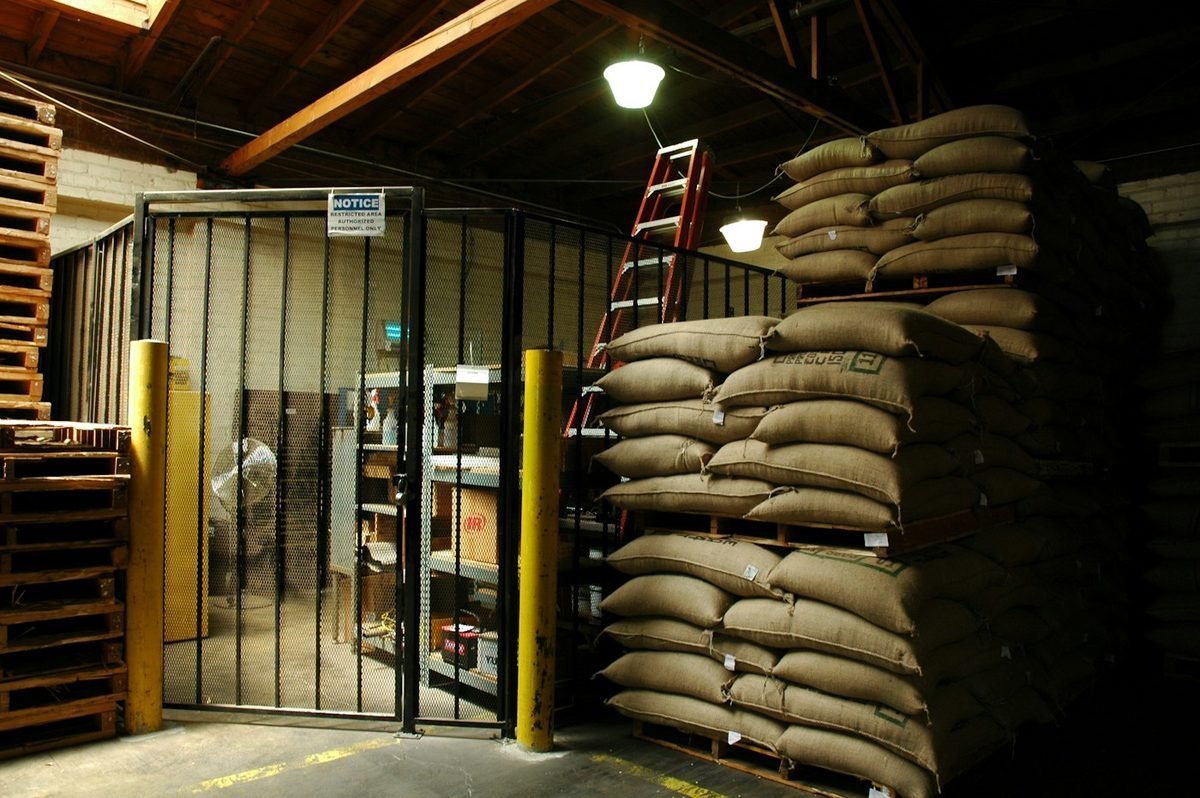
Green coffee is traditionally shipped in jute or sisal bags, commonly 60 kg (some origins use 69 or 70 kg bags). For higher-value coffees, bags are often lined with hermetic plastic liners to protect moisture and aroma. Large volumes may also travel in bulk container liners. A 20-foot container is the usual unit for full container loads; for smaller quantities, ask about consolidated (LCL) shipments.
Green coffee is sensitive to heat, humidity and odours. Ask how containers are prepared (for example, lined with paper or cardboard to absorb condensation) and avoid storing coffee near strong-smelling goods after arrival. Insurance for the ocean leg is strongly recommended even when not required by the Incoterm.
6. Documents you will usually need
Requirements depend on the origin and destination country, but a coffee shipment commonly involves:
- Commercial invoice and packing list
- Bill of lading (sea) or air waybill (air)
- Certificate of origin
- Phytosanitary certificate, where the importing country requires one
- Quality, weight or fumigation certificates if the contract specifies them
Import rules also matter. In the United States, food imports including green coffee require FDA Prior Notice before arrival, and foreign facilities that handle the coffee generally need FDA food facility registration. In the European Union, coffee is one of the commodities covered by the EU Deforestation Regulation (EUDR), which requires importers to carry out due diligence including plot-level geolocation data; check the current application dates and requirements with your customs broker. Other countries have their own rules — a licensed customs broker in your country is the best source.
7. Payment terms
Common options include payment against documents (cash against documents, where the bank releases shipping documents once you pay), a letter of credit (LC) through your bank, or advance payment. Each balances risk differently between buyer and seller. For a first purchase with a new supplier, many buyers start with a smaller lot to build trust on both sides.
8. Arrival, clearance and storage
When the coffee arrives, your customs broker clears it, and you pay any applicable duties and fees. Take an arrival sample and compare it with the approved pre-shipment sample before you accept the lot. Store green coffee in a cool, dry, odour-free place off the floor, and roast it within a reasonable time — green coffee is stable compared with roasted coffee, but it does fade over months.
How we can help
All Coffee & Coffee Machines Inc handles wholesale green coffee inquiries for origins including Cameroon Robusta, Cameroon Arabica, Brazil Arabica, Vietnam Robusta, Colombia Arabica and Ethiopia Arabica. We do not publish prices: specifications, packing, quantities and shipping terms are confirmed per inquiry. Tell us the origin, quantity, destination and preferred Incoterm on the wholesale green coffee quote form, or email contact@allcoffeemach.com.