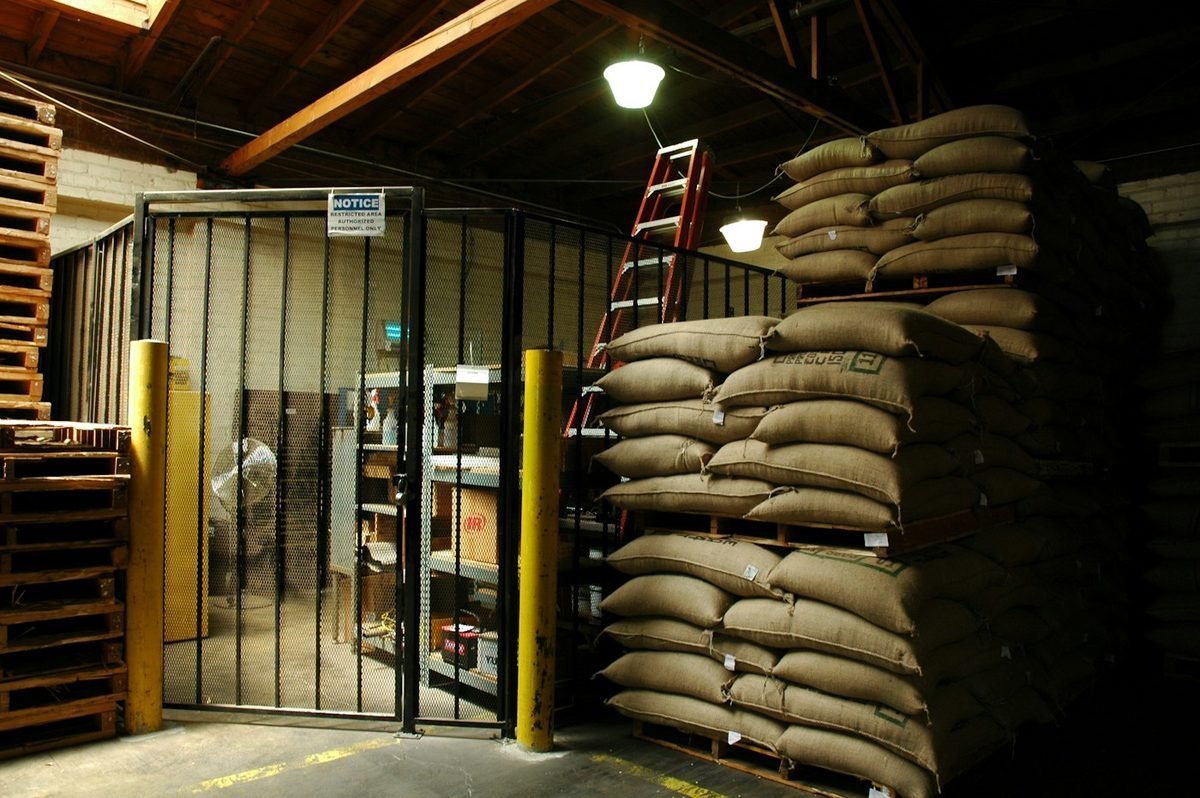
One of the first questions we hear from roasters and importers is simple: "How much do I have to buy?" Many green coffee exporters answer with a full container or nothing. We work differently. All Coffee & Coffee Machines Inc accepts any order quantity for green coffee, from a few bags for a small roastery to full container loads for an established importer. This guide explains how green coffee is usually packed and shipped, what the common container options mean, and how samples fit into the buying process, so you can plan an order that matches your roasting volume.
Why minimum order quantities exist in green coffee
Across the industry, minimum order quantities (MOQs) are mostly about logistics. Green coffee is a bulk agricultural product, and the cost of moving it from origin to your warehouse includes export documentation, inland transport, port handling, ocean freight and import clearance. Some of those costs are fixed per shipment, no matter how many bags are inside. That is why many exporters prefer to sell by the full container: it spreads those fixed costs over a larger volume.
The downside for buyers is obvious. A small or new roaster may not have the cash, storage space or roasting capacity to take a full container of one coffee. Coffee bought in quantities you cannot roast within a reasonable time also starts to fade. For that reason we do not set a minimum. You tell us what you need, and we quote the packing and shipping method that makes sense for that volume.
How green coffee is packed
Most green coffee travels in jute or sisal bags. The 60 kg bag is the most common reference size worldwide, and it is also the unit the International Coffee Organization uses when it reports production and trade figures. Some origins traditionally use 69 kg or 70 kg bags, and smaller bags are sometimes used for specialty or micro lots.
For higher-value coffees, bags are often lined with a hermetic plastic liner. The liner helps keep moisture stable and protects aroma during a long sea voyage and storage. Very large volumes of commercial coffee can also be shipped in bulk, poured loose into a container fitted with a food-grade liner bag, which saves on packing but requires a buyer with the equipment to unload bulk coffee.
When you request a quote, tell us your preferred bag size and whether you want liners. If you are unsure, we can explain the options for the origin you are interested in.
Container sizes and shipping options
Full container load (FCL)
A full container load means one buyer uses an entire container. The 20-foot container is the standard unit for green coffee. As a general industry guide, a 20-foot container of bagged coffee usually holds somewhere around 250 to 320 bags of 60 kg, which works out to roughly 18 to 21 tonnes, depending on bag size, how the bags are stacked and weight limits on the route. A 40-foot container has more space, but because coffee is heavy, road and port weight limits often mean it carries only somewhat more weight than a 20-foot box. Your exact load is confirmed in the quote.
FCL is usually the most cost-effective way to ship per kilo, and the container is sealed at origin, which reduces handling.
Less than container load (LCL)
If you need fewer bags than a full container, your coffee can travel as part of a consolidated, or LCL, shipment. Your bags share a container with other cargo, and the freight forwarder charges you mainly for the space and weight you use. LCL generally costs more per kilo than FCL, and it involves extra handling at consolidation warehouses, but it opens up direct imports to buyers who could never take 19 tonnes at once.
Small lots and air freight
For very small quantities, such as a few bags for a trial roast or a specialty micro lot, air freight or courier services can be an option. The cost per kilo is much higher than sea freight, so this usually makes sense only for small, high-value orders or urgent needs. We can talk through whether it is worth it for your order.
Choosing the right option
A practical way to decide is to work backwards from your roasting volume. Estimate how many kilos of a particular coffee you roast per month, how long you are comfortable holding green stock, and how much dry, cool storage space you have. Then compare that figure with the container options above. Many growing roasters start with LCL or small lots, then move to FCL once they know a coffee sells well.
How samples work
Samples are the heart of green coffee buying, and they matter just as much for a five-bag order as for a full container. These are the types you will normally come across:
- Offer samples show a coffee that is available, or expected to be available, so you can judge whether it suits your blends or menu.
- Type samples represent a standard quality or grade rather than a specific lot. They are common for commercial-grade coffee.
- Pre-shipment samples (PSS) are taken from the actual lot before it ships. Many buyers make approval of the PSS a condition of the purchase.
- Arrival samples are drawn after the coffee lands so you can confirm it travelled well and matches what you approved.
When a sample arrives, most buyers check it in two ways. First, a physical look at the green beans: moisture, bean size (screen size), and defects such as broken, black or insect-damaged beans. Second, a cupping after a light sample roast. If you do not have a sample roaster, a local roaster or coffee lab can often roast and cup for you.
To request samples, use our green coffee quote form and mention the origins you want to try. We confirm sample availability and any shipping cost for samples when we reply.
Origins we supply
We handle wholesale inquiries for several origins, and the same "any quantity" approach applies to each:
If you are still deciding between species, our Arabica vs Robusta guide covers the main differences in flavour, caffeine and growing conditions.
What to include in your quote request
The more detail you share, the faster we can give you an accurate quote. Helpful information includes:
- Origin and species, plus any grade or process preference
- Quantity, in bags, kilos or tonnes, even if it is small
- Preferred bag size and whether you want liners
- Destination city or port
- Preferred shipping terms, such as FOB or CIF (see our FOB vs CIF guide)
- When you need the coffee to arrive
We do not publish fixed prices because green coffee pricing depends on origin, quality, quantity, packing and shipping terms. If you are new to importing, our step-by-step import guide explains contracts, documents and customs. Buying regularly? Our wholesale and trade accounts page explains how we work with repeat buyers.
Ready to order?
Whether you need five bags or five containers, we are happy to quote it. Send your details through the wholesale green coffee quote form, use our contact page, or email contact@allcoffeemach.com.